




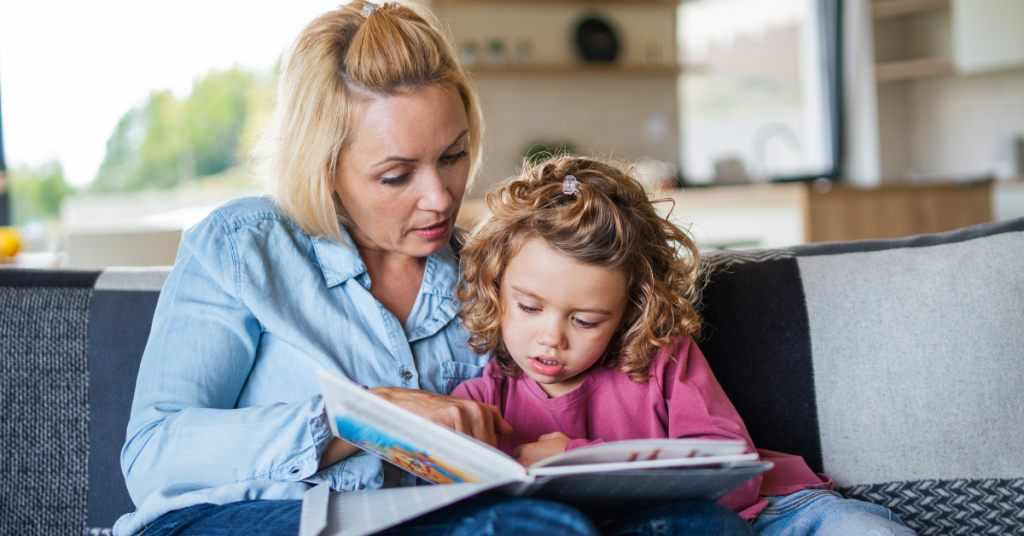
 The book: The Swamp Where Gator Hides
This book beautifully explores the vibrant ecosystem of a swamp. It introduces a variety of animals that call the swamp home, including some unexpected surprises like ducks, deer, and even bobcats. I was surprised by a few myself—I am always learning something new! While the book does touch on the food chain and the circle of life toward the end, it’s easy to skip over those sections depending on your child’s age and your own comfort.
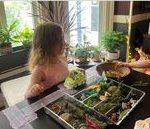 The Sensory Bin: Swamp Exploration
This sensory bin activity ties into the story from this book and sparks creativity and curiosity about the natural world! Below are the materials and instructions to make the sensory bin.
Materials
- Plastic silverware organizer (This might sound unconventional, but it’s perfect for organizing sensory bins!)
- Pluffle
- Moss and leaves (real or artificial)
- Sticks
- White and black beans
- Black Pluffle
- Blue rocks, tissue paper, or sand
- Scoops, tongs, and small bowls
- Animal toys represent the creatures in the book. I like to mix small reptile toys with animals from Duplo and other sets we have around the house.
- A mixture of chia seeds, water, and a touch of matcha powder
 Instructions
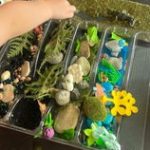
- Create Your Swamp: If you’re using a silverware organizer, the large catchall section is perfect for the swamp base. Start by mixing three tablespoons of chia seeds with about a quarter cup of water. Let it sit for about five minutes until it gels, then adjust the thickness by adding more water. Stir in a quarter teaspoon of matcha for a murky green color.
- Set Up the Swamp Sections: Use the different slots in the organizer to create distinct areas of your swamp. For the water, use your blue material of choice. For mud, mix Pluffle with black beans. Create a mossy area with moss and leaves.
- Add Details: The white beans can represent alligator eggs. Tuck a toy alligator or two under the “swamp” for your child to discover.
- Place the Animals: Add the appropriate animals to their spots—ducks in the water, snakes near the mud, etc. Then you can also keep some animals in a separate bin for your child to place as they explore.
- Embellish: By scattering rocks, sticks, and moss to make the environment more realistic.
- Engage Your Child: Before presenting the sensory bin, sit together and read the story to set the scene. I highly recommend waiting to bring out the bin until after the story to avoid distractions.
- Explore: Present the bin to your child and let them dive into the swamp world. Encourage them to explore freely, ask questions, and engage with the different textures and items.
Let us know in the comments if you read this book with your child and create this sensory bin!