







 As a former kindergarten teacher, I know sending your baby off to kindergarten is a big change for both of you. Independence is encouraged and eventually expected of your little one, so to help your child’s school days go smoothly and support them through this change, I have put together a guide to kindergarten readiness.
Below are some skills you can work on together this summer to get ready for kindergarten:
Academics to Practice
Can your child recognize their name when it’s written? This is how they will find their seat and where to put their belongings. They do NOT need to know how to write it themselves yet. Working on name recognition can be practiced by displaying their name around the house. Put their name on their bedroom door, near where their coat or shoes go, at the table, or even write it on their toothbrush. An activity you can do to practice name recognition is to put the names of family members on the fridge. Then start by telling them which is which, pointing out the first letter to help them identify it.
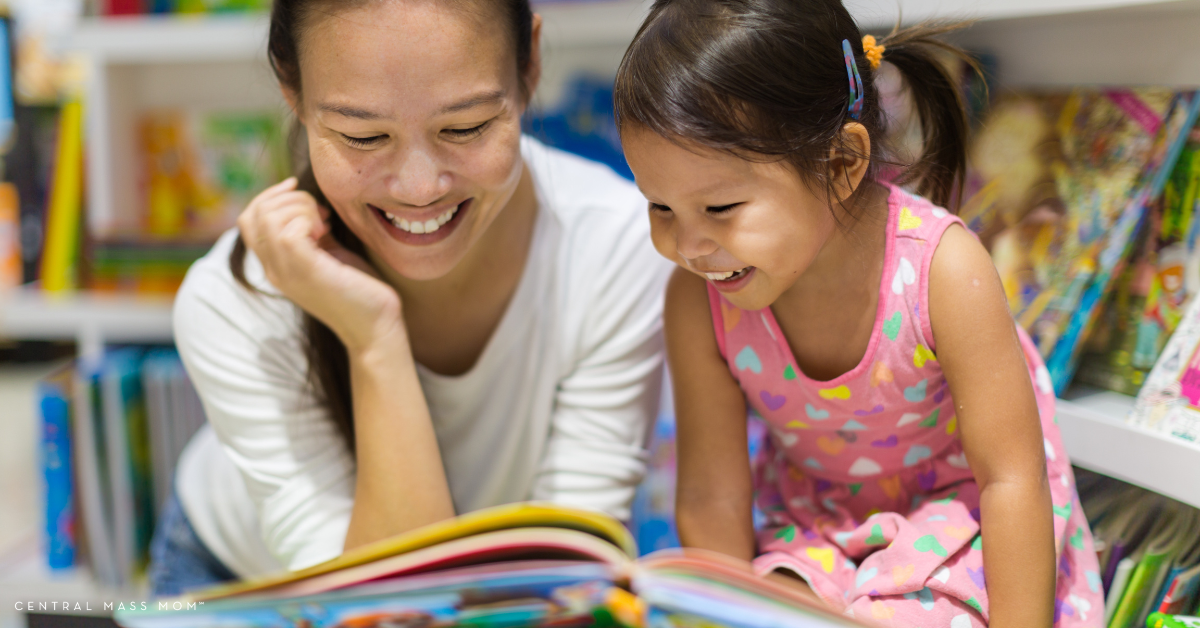
Can your child sit with a book and look through the pictures for a couple of minutes independently? We expect them to interact with a book before they can read. Most 5-year-olds know they can’t read and might get frustrated if they don’t know how to interact with a book. Sit with them and go through a book, just looking at the pages, talking about the pictures. Point out the little details you find interesting and ask them questions about what is shown in the pictures. It’s also helpful to practice *gently* turning pages. That can be tricky for some kids.
Self-Care Skills for Kindergarten
Can your child take themselves to the bathroom completely independently? If they spill or have an accident, can they change their clothes by themselves? This is something that they’ll have to do for themselves at school. Buttons and snaps on pants can be tricky. I always felt bad for the kiddos who had an accident because they were struggling to get their pants down.
On the topic of getting dressed, can your child put on their coat independently? The flip trick, where they lay the coat on the floor, is a great place to start. Save the coat that has buttons for home, and send them in a zip-up coat. Bonus points if they can zip it independently (practice this in the fall for winter). Their teacher will always be happy to help them, but think about how long it takes you to help your one kid, and multiply that by 25. Recess would practically be over by the time they get outside if everyone needed help.
Lastly, on the topic, can your child tie their shoes? If not, PLEASE do not send them in with shoes with laces. Velcro sneakers or Crocs (but not on gym days) will do just fine until they have that skill down!
Lunchtime Skills for Kindergarten
Moving on to lunchtime, does your child know how to open everything in their lunchbox? The time allotted for lunch goes by quickly, and there are only a few adults on lunch duty to help. This means if a child is struggling to open something or has to wait for help, they have even less time to eat. It’s not fun if your child comes home tired and hangry.
Set them up for success by teaching them how to open (and close) zip lock bags and any containers they use. Can they open the straw to a juice box and poke it in? Cutting a bigger pull tab on fruit snacks or snack packages makes it a lot easier for little hands to open them. Can they peel a clementine or a banana? That’s a great thing to learn how to do before school starts, so you can just throw them in their lunchbox and save yourself some time.
In August, it’s a great idea to practice eating lunch in 20 minutes. That’s usually about how long students have in the cafeteria. Kids often get distracted by talking to their friends and forget to eat. Set a timer and let them know when it goes off that lunch at school will be over. As you practice, the amount of extra time they need at the table will get shorter. It’s also a good idea to show them how to pack up their lunchbox, talking about what gets thrown out and what is saved to bring home. The last thing you want the next morning is a lunchbox coated in yogurt and juice from the day before because they thought they could save the leftovers for later.
Social
At school, your child is going to encounter a lot of new adults other than their teacher: nurses, secretaries, paraprofessionals, specialist teachers, principals, custodians, and substitute teachers. Is your child comfortable talking to adults? They might be out at recess with a different teacher, have a substitute, or need to go to the nurse during gym class. A great way to practice this is at the store, with neighbors, or the library staff. Help your child practice when you’re out in public together by telling them what to say at first. Then encourage them to try on their own. It can be as easy as asking a grocery store employee where their favorite cereal is or ordering themselves some munchkins when you get your coffee at Dunkin.
How to resolve conflicts with other kids is an important social skill that they will be building throughout their school years. Laying a foundation will help them navigate this better when they’re on their own at school. The phrase “it was an accident, are you okay?” will help—so many playground squabbles. Also, it is helpful to tell them when to involve an adult. For example, if someone is hurt or if they’ve said “stop” and the other child isn’t stopping.
My intention with this post is not to make you nervous that your child isn’t prepared. Their teachers will always be happy to help them through these situations. I hope that, instead, this post gives you a helpful way to direct your nervous energy about the transition. As you practice these things, your child will feel prepared for their new independence at school. I know they’ll do amazing, and so will you!