







 Hands up if, as a mom, you’ve ever peed a little while sneezing? Yep, almost everyone. So many moms have pelvic floor issues after giving birth, but it’s rarely spoken about. Did you even know what your pelvic floor was before checking out this article? Maybe not. I had no clue it was more than doing kegels until I had pelvic floor problems after the birth of my first child. It can hit people differently, but there is definitely something you can do about it. We all deserve a healthy body, free of pain and problems.
Here are a few things you can do to help with your pelvic floor problems:
Admit you have a problem
The first step is always recognising that something isn’t right, isn’t normal, and you shouldn’t just have to put up with it as a side effect of giving birth. I noticed there was a problem when my tailbone started hurting about a year after giving birth. It got bad enough that I couldn’t go on a 20-minute drive to work without feeling pain. That was not something I was willing to put up with. For you, it might be noticing some incontinence when sneezing or doing physical exercise, maybe sex hurts more than it was supposed to. Whatever it is for you, recognise that you have a problem and that you can do something about it.
Talk to your PCP or OBGYN
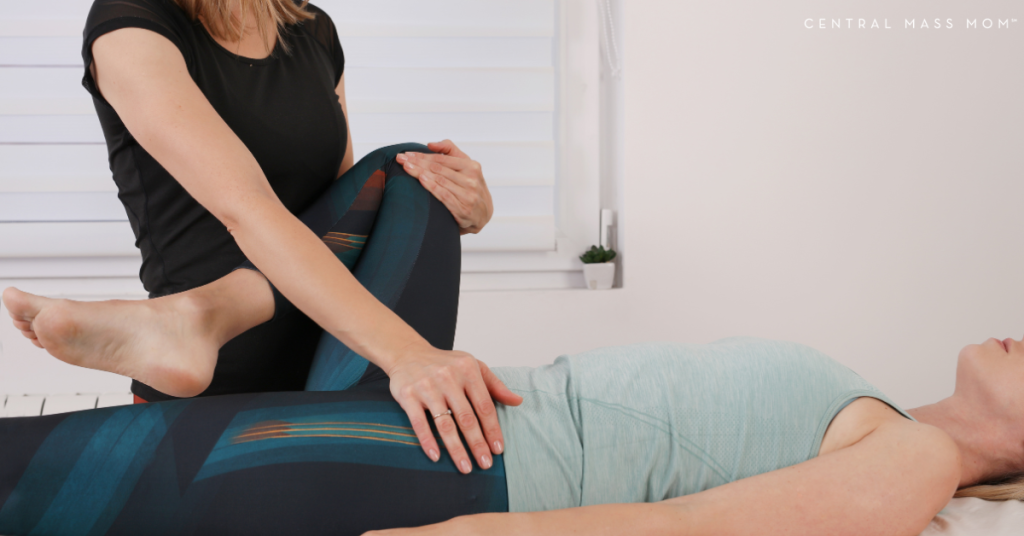
Seeking advice from a professional is next on the to-do list. Make an appointment with your PCP or OBGYN, depending on how far along you are in your postpartum journey. I went to my PCP, and after making sure there wasn’t any infection or other reason for my tailbone pain, we landed on the possibility that my tailbone was knocked out of whack during my delivery. You might need scans or internal exams; it really depends on what your issue is, but the advice of the professionals around you will point you in the right direction. I was lucky that my PCP is also able to do osteopathic manipulative treatments (a little like the cousin of a chiropractor/physiotherapist). She poked and prodded, pushed and pulled, and manipulated my body so that my tailbone was more aligned. Luckily, this worked, and my tailbone pain after my first baby disappeared.
Do something about it
There are several small things you can do to help alleviate your pelvic floor problems. You can start a journal of your difficulties, noting the activity that triggered them and the symptoms that followed. You can change things up for yourself, such as walking/ standing/ working out more. Buy that donut butt cushion or whatever it is you think will help you with your pain and issues. Each problem will be unique and require a different solution.
Pelvic Floor Therapy
In the last two weeks of my second pregnancy, I noticed my left hip/glute was hurting, and I started limping. I was finding it very painful, and also couldn’t sleep on my left side because of that pain. I assumed it would disappear after I gave birth to my second, but it didn’t.
Sitting hurt, I was walking like a 70-year-old lady with a hip replacement. I couldn’t put my underwear on or feed my baby sitting up in bed without it hurting. I knew I needed to see a pelvic floor therapist as soon as I could. But I was not willing to wait the 6 weeks to be cleared for physical activity. I asked around on the mom groups and received a number of suggestions for in-person Pelvic Floor Therapists. Many don’t take insurance, so that might be a factor for many people, but you have to get your start somewhere.
I ended up settling on Audra through Autonomy Pelvic Health, who you can find advertised here in the Central Mass Moms Local Business Directory. She was able to work with my limitations and timing, and I could see her from 1 week postpartum, baby in tow. I gained knowledge, helpful tips, and exercises. After a month of working with her weekly, I had noticed the differences, and my pain was definitely decreasing. After a second month of maintaining contact and working on my exercises at home, I can say that my pain has pretty much disappeared. A pelvic floor therapist can help with so many pelvic floor issues, like pain during sex, incontinence, tailbone pain, and more. They can even perform internal exams.
Insurance Covered Apps
One day, I got a flyer in the mail letting me know that my insurance covers pelvic floor therapy through an app. So I decided to check it out. I’ve since worked with two different apps.
Hinge Health
This was the first I learned about. I had started using this app before I was pregnant with my second child, and discovered that it has a specific maternity section with different exercises and readings for pregnancy. I worked with a coach and a PT, meeting with them on online calls when needed and chatting through the apps about my goals and progress. It provides daily exercises, followed by an article tailored to your needs and issues. I found the personal contact to be really good in this app, and I frequently had contact with my team. It felt more holistic, rather than just focusing on the pelvic floor area. I’ve since changed insurance and am now far enough postpartum that I don’t qualify for this one anymore. I no longer receive tailored exercises, but I still have access to the app and can still choose exercises and readings when it suits me. 10/10 would definitely recommend.
Sword Health
This was the next app to try after we had changed insurance. This one also has an assigned therapist for you, but your daily connections are with the AI. Sword sends you a pod that you insert into the vagina. It connects to the app, and you are given exercises that are a little like playing a video game! As you work your pelvic floor and follow the instructions, you collect stars and build up points. This app is purely pelvic floor focused with the use of the pod. If you aren’t able to use the pod, you can still connect with a pod-free session, which is very handy! When life got busy during the summertime, I slacked off on completing any exercises from either app. I noticed the difference. My tailbone pain had returned. A clear connection between the physical work I was doing, or the lack thereof, and my pain. Consistency is key.
When browsing a Facebook group for international women abroad, I noticed a topic emerge about what we wish we had more information about while living overseas. This is where I put my hand up and said pelvic floor therapy. I had several women comment after that about their experiences with the discussions and therapies offered in their countries of choice, and in most places, it’s pretty lacking. So here I am, sharing the word. Just because it happens to so many women after childbirth does not mean that it is normal and just something to deal with. You can work on your problems and fix your pain. Leap and reach out. I can promise you won’t regret it.